
Christmas gets more memorable when the little things feel personal: a message that makes a friend laugh, a scavenger hunt that gets everyone moving, or a simple family tradition that costs almost nothing. Christmas Wishes, Messages & Activities brings those pieces together in one practical holiday guide.
Instead of giving you another giant list with disconnected ideas, this page helps you choose what fits your people, time, budget, and celebration style. You’ll find Christmas wishes and messages, family activities, games, romantic ideas, movie-inspired inspiration, party touches, and easy ways to make the season feel more like your own.
Quick Answer: What are the best Christmas wishes, messages and activities?
The best Christmas plans combine a personal message with one memorable activity. Send a 20–40-word wish to someone you love, then add an experience such as cookie decorating, a scavenger hunt, a Christmas movie night, or a simple gift exchange. For a party, add an inexpensive favor so guests leave with something festive.
Christmas Wishes, Messages & Activities for Every Kind of Celebration
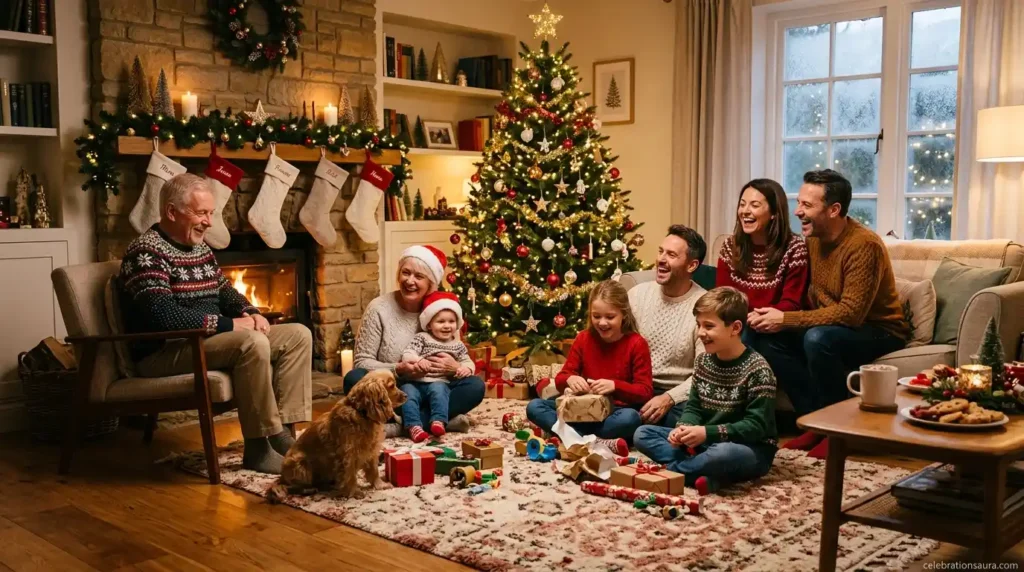
Not every Christmas celebration needs the same ingredients. A family with toddlers may want crafts and short games, while a group of adults may prefer dinner, trivia, cocktails or mocktails, music, and conversation.
Likewise, a Christmas message should match the relationship. A 25-word text can work beautifully for a friend, while a parent or spouse may appreciate a 60-word card that includes a shared memory.
Think of this page as a menu. Pick one message, one activity, and one small finishing touch rather than trying to complete everything.
How Do You Write a Meaningful Christmas Message?
Start with a simple holiday greeting, add one detail that belongs specifically to the recipient, and finish with a genuine wish for the coming year. This three-part formula takes about two minutes and works for cards, texts, captions, and gift tags.
For example, you could begin with “Merry Christmas, Sarah,” mention your annual cookie-baking tradition, and finish with a wish for another year of laughs. A specific memory instantly makes a familiar greeting feel less generic.
For a card, aim for roughly 40–80 words. For a text, 15–35 words is usually enough.
Christmas Wishes for Family
Family Christmas wishes work best when they focus on gratitude, shared traditions, and time together. Mention something real, such as decorating the tree, making Grandma’s cookies, watching a particular movie, or gathering around the same dinner table every December.
A warm family message can be simple:
“Wishing our family a Christmas filled with good food, loud laughter, cozy mornings, and the traditions that make this season feel like home. I’m grateful for every memory we’ve made this year.”
If the family is spread across different cities, acknowledge the distance rather than pretending it does not matter. A 25-word text can still feel meaningful when it includes a specific memory or future plan.
Merry Christmas Messages for a Friend
Friends often need a lighter tone than family members. A funny reference, shared memory, or small inside joke can make a short message sound much more natural.
For example:
“Merry Christmas, my friend! Here’s to good food, questionable gift choices, late-night conversations, and another year of adventures. Hope your holiday is as fun as you are.”
You can find more recipient-specific examples in Merry Christmas messages for a friend, especially if you need short texts, funny wishes, heartfelt notes, or card-length messages.
For most friends, 20–50 words is a comfortable length. You do not need to write a full paragraph if one genuine sentence says what you mean.
Short Christmas Messages for Texts and Social Posts
Short messages are useful when you are sending several greetings at once. Keep them around 10–25 words and choose one clear emotion rather than packing five wishes into one sentence.
Try ideas such as:
- “Merry Christmas! Wishing you cozy moments, good food, and plenty of reasons to smile.”
- “Hope your Christmas is peaceful, bright, and filled with people who make you feel at home.”
- “Sending warm Christmas wishes and a little extra holiday cheer your way!”
- “Merry Christmas! Here’s to good memories now and even better adventures in the new year.”
For social captions, match the message to the photograph. A family photo can use a warm wish, while a decorated tree may suit a short festive caption.
Christmas Wishes and Mistletoe Kisses
Christmas wishes and mistletoe kisses usually combine a traditional holiday greeting with a romantic or playful reference to mistletoe. The wording is most natural for spouses, partners, dating couples, or someone with whom romantic affection is already established.
For example:
“Merry Christmas to the person who makes ordinary days feel special. Wishing us cozy nights, happy memories, and a little mistletoe magic along the way.”
The phrase does not need to be romantic every time. A playful version can work when the relationship allows it, while family and workplace messages should usually avoid romantic wording.
For more message ideas, link this section to Christmas wishes and mistletoe kisses.
What Does “Love You Like Christmas” Mean?
Love You Like Christmas has two useful meanings depending on the context. As an ordinary phrase, it can describe a warm, enthusiastic kind of love by comparing affection with the excitement and comfort people associate with Christmas.
It is also the title of a 2016 Hallmark Channel original holiday movie starring Bonnie Somerville and Brennan Elliott. The story follows Maddie, a marketing executive whose car trouble leads her to Christmas Valley, where an unexpected experience changes how she views what she has been missing.
If someone searches the phrase because they saw it in a movie, caption, card, or social post, context matters. For a romantic message, the phrase can simply communicate strong holiday-season affection.
You can use Love You Like Christmas meaning as the internal link here to send readers to the more detailed explanation.
Christmas Scavenger Hunt Clues for Kids and Families
A Christmas scavenger hunt is one of the easiest ways to turn a normal afternoon into an activity. Use 8–15 clues around the house and finish with a small prize such as candy, pajamas, a book, or a stocking stuffer.
Good hiding places include the refrigerator, Christmas tree, coat closet, bookshelf, kitchen table, and shoe rack. For younger children, make each clue obvious enough to solve in under two minutes.
For older children and teens, make the clues rhyming riddles or mini challenges. A 10-clue hunt can take 20–30 minutes, which is long enough to feel like an event without exhausting everyone.
See Christmas scavenger hunt clues when you need ready-to-use clue ideas and variations.
Host a Christmas Cookie Decorating Night
Cookie decorating works for children, adults, and mixed-age groups because everyone can participate at their own skill level. Set out 12–24 baked sugar cookies, three or four icing colors, sprinkles, and small piping bags.
For a family night, let everyone decorate three cookies and reserve the rest for sharing. For a party, turn it into a friendly contest with categories such as funniest cookie, most creative design, and best Christmas tree.
A $10–$25 grocery-store baking budget can cover a surprisingly simple version if you already have flour, sugar, butter, and basic decorations.
Build a Christmas Hot Chocolate Bar
A hot chocolate bar turns an ordinary drink into a 15-minute activity. Set out cocoa, marshmallows, whipped cream, crushed candy canes, chocolate chips, caramel drizzle, and cinnamon.
For 8 guests, two quarts of prepared hot chocolate is a practical starting point, with extra milk or cocoa available if needed. Use small mugs for children and let adults customize their own cups.
This works especially well after outdoor Christmas light viewing. The warm mug, cinnamon scent, and soft Christmas lights create a natural transition from an outing to a relaxed evening indoors.
Make Personalized Christmas Ornaments
Ornament-making creates an activity and a keepsake at the same time. A simple 60-minute session can use clear plastic ornaments, paint pens, ribbon, wooden shapes, or salt-dough ornaments.
Ask each person to add their name and the year 2026 to the back. Families can also record a favorite memory from the year in small handwriting before storing the ornament with the Christmas decorations.
For a group of 10, basic wooden ornaments and paint pens can often keep the material cost around $20–$35, depending on what you already have.
Plan a Christmas Movie Night
A Christmas movie night needs surprisingly little preparation. Choose one movie, make popcorn, prepare hot chocolate, and give everyone a blanket or pillow before the opening credits.
For families, allow 90–120 minutes for the movie plus snacks. For adults, make it a double-feature with a 15-minute snack break between films.
You can also build a theme around the movie: matching pajamas, gingerbread cookies, a red-and-green snack tray, or a trivia round after the credits.
Hold a Christmas Karaoke Challenge
Christmas karaoke works particularly well for teens, college-age groups, and adults because it turns passive listening into participation. Prepare 10–15 songs before the party and let guests draw titles from a bowl.
Keep the competition playful rather than serious. Give small awards for funniest performance, best duet, most dramatic entrance, and best audience participation.
If children are attending, keep the song list family-friendly and allow pairs or groups instead of requiring solo performances.
Play Christmas Trivia
Christmas trivia is useful when you want an activity that requires almost no supplies. Prepare 20–30 questions covering movies, songs, traditions, food, decorations, and general holiday knowledge.
Divide guests into teams of two to four people. Give one point per correct answer and use a tie-breaker question if two teams finish with the same score.
For younger children, replace difficult trivia with picture clues, Christmas characters, simple songs, and object-identification rounds.
Try a Simple Christmas Gift Exchange
A gift exchange gives a group an activity and a reason to talk. Set a spending limit of $10–$20 so guests understand the expected range before shopping.
For families, use names instead of random gifts. For adult friend groups, a white-elephant-style exchange can work well if everyone understands the rules beforehand.
Keep the exchange organized by writing each participant’s name on a small card. This avoids confusion once the wrapping paper starts piling up.
Create a Christmas Photo Challenge
A photo challenge gives guests something to do between dinner and dessert. Prepare 10 prompts such as “best Christmas sweater,” “funniest ornament,” “coziest corner,” or “best group pose.”
Teams of two or three can complete the list using their phones in 20–30 minutes. At the end, gather everyone together and look through the photos.
This idea is especially useful for teenagers and adults who enjoy social content but still want an activity that involves the whole group.
Organize a Christmas Puzzle or Game Station
A game station works when you want something quieter than karaoke or competitive trivia. Set out Christmas-themed puzzles, word searches, coloring sheets, cards, or a simple board game.
For a party with 15–20 guests, prepare at least three stations so everyone does not crowd around one table. Rotate groups every 15–20 minutes.
This is also a good option for guests who prefer sitting activities or need a slower-paced break from louder games.
Bake Christmas Treats Together
Baking can become the main Christmas activity instead of just another item on the to-do list. Choose one recipe that takes 45–90 minutes and divide tasks between mixing, shaping, decorating, and cleanup.
Gingerbread cookies, sugar cookies, brownies, cupcakes, and chocolate bark are easy options because different ages can participate.
Save several finished treats for neighbors, teachers, coworkers, or relatives. That turns one afternoon of baking into both a family activity and a simple act of giving.
Make a Christmas Giving Basket
A giving activity can shift the focus away from buying presents. Build a small basket containing shelf-stable food, toiletries, warm socks, children’s books, or other appropriate items for a local organization or community effort.
Let children choose three to five items within a set budget. This makes the activity concrete and gives younger family members a practical role.
Before donating, check the recipient organization’s current rules because accepted items and drop-off procedures can change.
Take a Christmas Lights Drive
A Christmas lights drive is ideal when you need an activity that requires almost no setup. Choose a neighborhood or public display, prepare a playlist, and bring travel mugs of cocoa.
For a family group, allow 60–90 minutes rather than trying to see every decorated street. Give each child a small checklist with things to spot, such as a snowman, reindeer, oversized bow, candy cane, or Santa.
You can combine this with a scavenger hunt for an inexpensive two-part Christmas evening.
Add Christmas Party Favors
Party favors are not essential, but they can give guests a small reminder of the celebration. Practical options include individually wrapped cookies, mini hot chocolate kits, candy bags, ornaments, candles, or small jars of treats.
For a 20-person party, decide whether you want to spend roughly $1–$3 per guest or create something more personalized at a higher cost.
For a larger collection of ideas, connect this section to Christmas party favor ideas. That child page can handle the deeper favor roundup while this pillar introduces the topic naturally.
Which Christmas Activity Fits Your Group?
| Your situation | Activity to choose | Typical setup | Approx. cost |
|---|---|---|---|
| Kids ages 5–10 | Scavenger hunt | 20–30 min | $5–$15 |
| Family of 4–8 | Cookie decorating | 45–90 min | $10–$25 |
| Teens | Karaoke challenge | 15–30 min prep | $0–$20 |
| Adults | Trivia night | 20–30 min prep | $0–$15 |
| Mixed-age party | Ornament making | 45–60 min | $20–$35 |
| Large group | Photo challenge | 15–20 min prep | $0–$10 |
| Quiet gathering | Puzzle station | 10–15 min prep | $5–$25 |
The best choice depends more on your group than on how elaborate the idea looks online. A 20-minute scavenger hunt can be more successful than a complicated craft that takes two hours to prepare.
How Can You Plan Christmas Activities on a Budget?
A low-cost Christmas plan can stay under $20 by using supplies you already own. Choose one activity such as a scavenger hunt, movie night, Christmas trivia, paper crafts, or a cookie-decorating session using pantry ingredients.
A mid-range plan of about $20–$50 can add better snacks, craft supplies, small prizes, or personalized ornaments. A larger gathering may need more food and duplicate supplies rather than more complicated activities.
The important part is setting the budget before shopping. Otherwise, small holiday purchases can quickly turn a $20 activity into a $60 project.
What Should You Do If You Only Have 30 Minutes?
Choose an activity with almost no setup. Christmas trivia, a photo challenge, a short scavenger hunt, Christmas karaoke, or a hot chocolate bar can all work within 30 minutes.
For children, prepare everything before announcing the activity. For adults, place supplies on the table before guests arrive.
Short activities are also useful between larger events. You can play trivia before dinner, start a scavenger hunt after dessert, or make hot chocolate after returning from Christmas lights.
What Christmas Activities Work Best for Different Ages?
Toddlers need short, supervised activities with simple movements and safe materials. Coloring, decorating a pre-baked cookie, looking for Christmas objects, and making paper decorations can work well.
Children ages 5–10 can handle clues, simple baking, crafts, trivia, and competitive games. Teens often respond well to karaoke, photo challenges, movie games, gift exchanges, and team competitions.
Adults have more flexibility, so you can build activities around conversation, food, nostalgia, music, games, charitable giving, or a themed party.
How Do You Make Christmas Wishes Feel Less Generic?
The easiest fix is to add one detail that could not belong to anyone else. Mention a shared trip, family tradition, inside joke, favorite meal, annual movie, or specific memory from the year.
Compare “Merry Christmas! Hope you have a great holiday” with “Merry Christmas! I hope this year’s Christmas Eve includes your famous cinnamon rolls and at least one round of our ridiculous trivia game.”
The second message works because it sounds connected to a real person rather than a greeting-card template.
Common Christmas Message Mistakes to Avoid
The biggest mistake is using the same message for everyone. A romantic line may be perfect for a spouse but awkward for a coworker, while a professional greeting may feel cold when sent to a lifelong friend.
Another mistake is writing too much. A short, specific message can feel more sincere than a 150-word paragraph filled with generic holiday phrases.
Finally, check names, relationships, dates, and religious wording before sending a large batch of cards or messages.
A Simple Christmas Planning Formula
If the season feels overwhelming, use a three-part formula: one message, one activity, and one shared moment.
For example, send your family a heartfelt Christmas message, spend 30 minutes decorating cookies together, and finish the evening with a favorite movie. That is enough to create a complete holiday memory without filling every hour of December.
For a party, use the same structure: one group activity, one food-centered moment, and one small takeaway. A 20-person gathering could have trivia, a dessert table, and a $2 favor for each guest.
Final Thoughts
Christmas Wishes, Messages & Activities become much more meaningful when they reflect the people you are actually celebrating with. You do not need a packed schedule, expensive decorations, or dozens of gifts to make the holiday memorable.
Choose one message that sounds like you, one activity your group will genuinely enjoy, and one small tradition worth repeating next year. Maybe that means baking the same cookies every December, hiding 10 scavenger-hunt clues around the house, watching a favorite Christmas movie, or leaving guests with a $2 hot cocoa favor.
The best holiday memories often come from details that are simple enough to repeat. Use these ideas as a starting point, change them to fit your family or friends, and make the season feel unmistakably yours. Pick one idea today, personalize it, and make it part of your Christmas.
Frequently Asked Questions
What should I write in a Christmas message?
Write a warm greeting, add one personal detail, and finish with a sincere wish for the recipient. A 20–50-word message is usually enough for a text, while a card can comfortably run 40–80 words.
What is a good Christmas activity for the whole family?
A scavenger hunt, cookie decorating session, Christmas movie night, or ornament-making activity can work well for mixed-age families. Choose one that allows younger children to participate without making older children feel bored.
What can I do for Christmas without spending much money?
You can make Christmas meaningful for under $20 with activities such as trivia, a scavenger hunt, homemade ornaments, a movie night, paper crafts, or a family baking session using pantry ingredients.
How many Christmas scavenger hunt clues should I use?
Use about 8–15 clues for a typical home hunt. Younger children usually do better with shorter hunts, while older kids and teens can handle 15–20 clues with more challenging riddles.
Are Christmas party favors necessary?
No, Christmas party favors are optional. If you use them, inexpensive edible or useful items such as cookies, candy, cocoa packets, or ornaments can keep the cost around $1–$3 per guest.
Discover More
Christmas Music, Movies and Traditions Around the World
Little Debbie Christmas Tree Cakes: 15 Festive Holiday Ideas
Black Christmas Songs: 24 Soulful Holiday Favorites for 2026
